SHORT ANSWER
Prevention can include PrEP, PEP, condoms, lubricant, STI testing, sterile injection equipment, and HIV treatment with an undetectable viral load.
This guide gives general information to help you prepare for a conversation with a qualified health professional. Your timing, health history, medicines, and local guidance can change what is right for you.
KEY POINTS
What to know
- 01
There is no single right option for everyone.
- 02
Options can be used together.
- 03
A plan can change when your life or relationships change.
FAST FACTS
Fast facts
The most important, source-aligned points for this page—at a glance.
Taken before exposure, it greatly lowers the chance of getting HIV.
PEP is emergency prevention and must start within 72 hours.
Treatment with an undetectable viral load prevents sexual transmission.
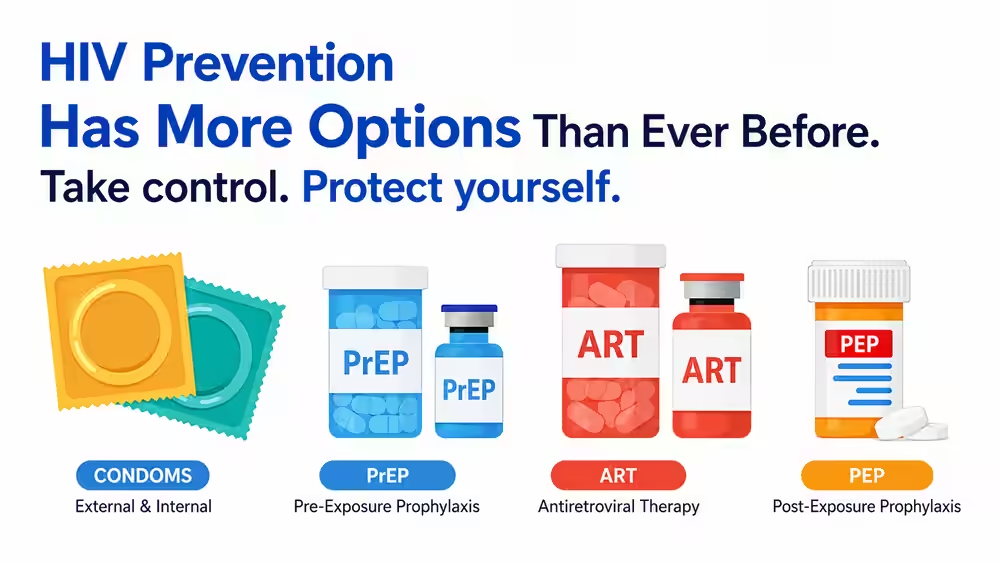
INFOGRAPHIC
HIV prevention options
HIV prevention can combine tools that fit the situation and the person's needs.
- Condoms can help prevent HIV and certain other sexually transmitted infections when used correctly.
- PrEP is medicine used before possible exposure by people without HIV.
- HIV treatment can lead to an undetectable viral load and prevent sexual transmission.
- PEP is emergency medicine that must be started within 72 hours after a possible exposure.
CHANCE OF GETTING HIV PER SEX ACT
Some activities carry more risk than others
Relative chance of getting HIV from sex with a partner who has HIV and is not on treatment.
Treatment (U=U), PrEP, and condoms greatly lower—or remove—these risks. This shows relative order, not exact odds.
Source: CDC HIV transmissionONE ACT · DIFFERENT PROTECTIVE FACTORS
How prevention changes this example
CDC estimates per 10,000 receptive anal sex acts. The sex act stays the same; the protective factor changes.
- No protective factorNo condom, PrEP, or ART; the partner with HIV is not virally suppressed.138
- External condomThe insertive partner uses a condom.39
- PrEPThe HIV-negative partner uses PrEP optimally or consistently.about 1
- Treatment + undetectableThe partner with HIV gets and keeps an undetectable viral load.0
It shows the effect of prevention tools without suggesting that one population estimate can predict one person’s outcome.
Options can be combined. Your circumstances, correct use, timing, and viral load matter; ask a qualified provider for individual advice.
Source: CDC HIV Risk Reduction ToolVISUAL SUMMARY
Compare HIV prevention options: understand, check, act
Use the three points below as a quick visual map before reading the detailed guide.
Understand
There is no single right option for everyone.
Check
Options can be used together.
Act
A plan can change when your life or relationships change.
This visual is a guide to the page—not a personal diagnosis or treatment recommendation.
BRING THIS TO A VISIT
Questions worth asking
A short list to help you get clear, personal answers from a provider.
Am I a candidate for PrEP or PEP?
What testing or follow-up does this option need?
What will it cost and how do I access it?
COMMON QUESTIONS
Before you move on
Can this page tell me exactly what I should do?
No. It can help you prepare, but a clinician should assess your individual situation—especially for urgent exposure, symptoms, testing timing, pregnancy, or medicine decisions.
How do I know the information is current?
Core medical claims are linked to public-health sources. Country-specific services, costs, legal rights, and clinical pathways must be locally verified before public launch.
SOURCES & REVIEW
Built for clarity and trust.
Content structure reviewed: 10 August 2026. Medical review and local service verification are required before public launch.
View the primary CDC HIV source